About Us

Our Mission 

To create an all-year-round sustainable production ecosystem by promoting and implementing innovative agricultural solutions in aquaponics, hydroponics, climate change mitigation, regenerative farming, and sustainable food systems, while building strategic partnerships with communities, NGOs, and development partners.


Our Vision 

  To lead the transformation of African agriculture by establishing a resilient and sustainable ecosystem that harmonizes innovative technologies, environmental stewardship, and collaborative partnerships, ensuring food security and a thriving Africa for future generations
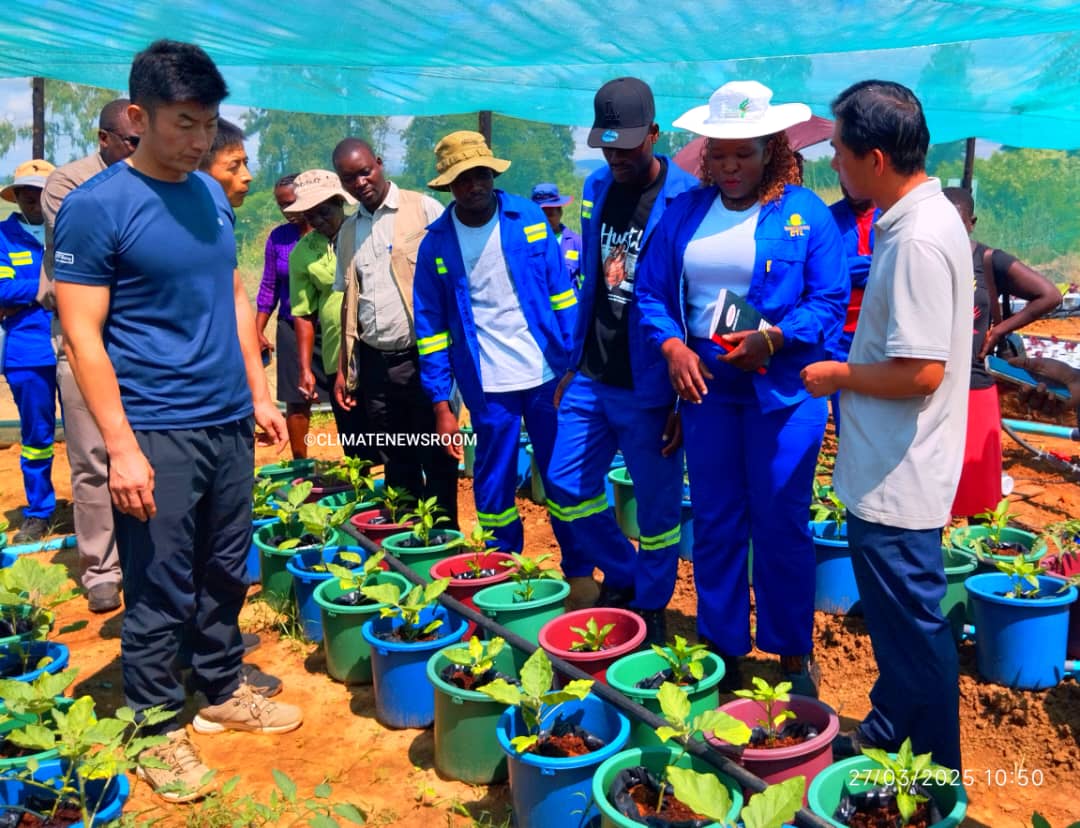
 

Who Are We 

The Fishermen Reconciliation and Empowerment Movement Trust (FREM) is a Zimbabwe-based non-profit transforming agriculture through innovation, sustainability, and community empowerment.

Since 2017, we have partnered with communities, donors, and institutions to build climate-resilient food systems that create livelihoods, restore ecosystems, and secure Africa’s food future.

Our Focus Areas

FREM’s work is built on four interconnected pillars that define our unique approach to sustainable development: For years, the concept of ‘sustainable development’ has been diluted, becoming a buzzword rather than a deeply-rooted commitment. At FREM, we believe true sustainability isn’t simply about minimizing harm, but about actively fostering a harmonious relationship between human progress and the delicate ecosystems that support us.

Climate-Smart Agriculture

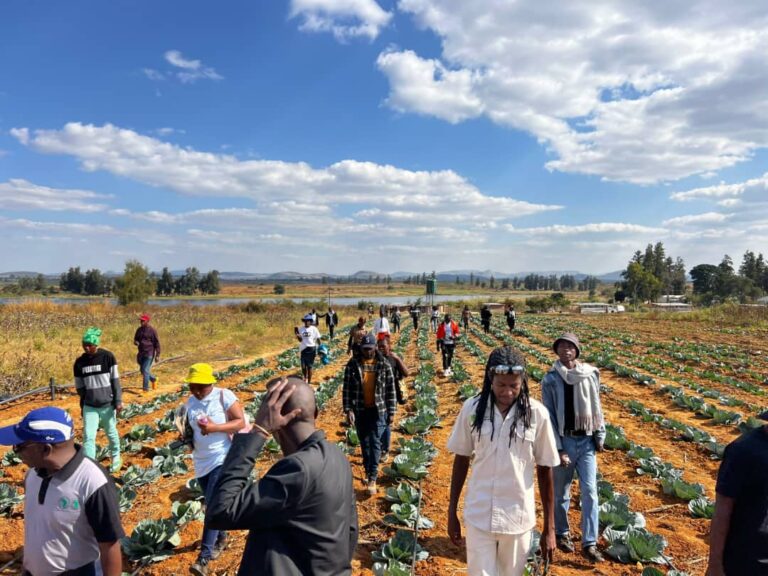
For generations, the community had relied on the rhythms of the rain, but those rhythms were fracturing, becoming unpredictable and harsh. Recognizing this shift, a vital initiative was underway: a comprehensive program dedicated to training the region’s youth and women in advanced, climate-resilient farming practices. It wasn’t simply about showing them *how* to farm; it was about equipping them with the knowledge to *outsmart* a changing climate.

Rural Industrialization

This integrated approach breathes life into rural economies. It combats the cycle of commodity dependence, allowing communities to move beyond simply *producing* livestock to *owning* a larger share of the economic value chain. The creation of these hubs will generate a cascade of positive effects: increased local employment opportunities, stemming the tide of rural-to-urban migration, improved infrastructure – from upgraded roads to reliable energy sources – and a renewed sense of pride and self-sufficiency within these often-forgotten regions.

Hydroponics and Aquaponics Systems:

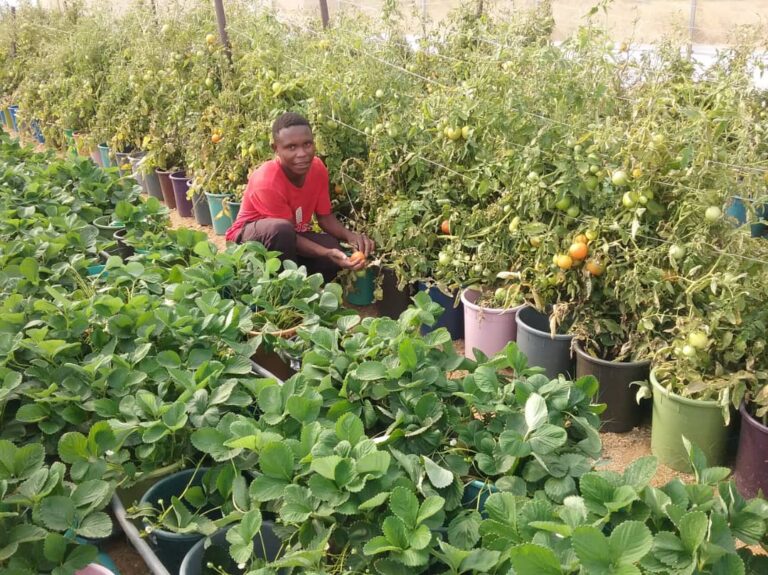
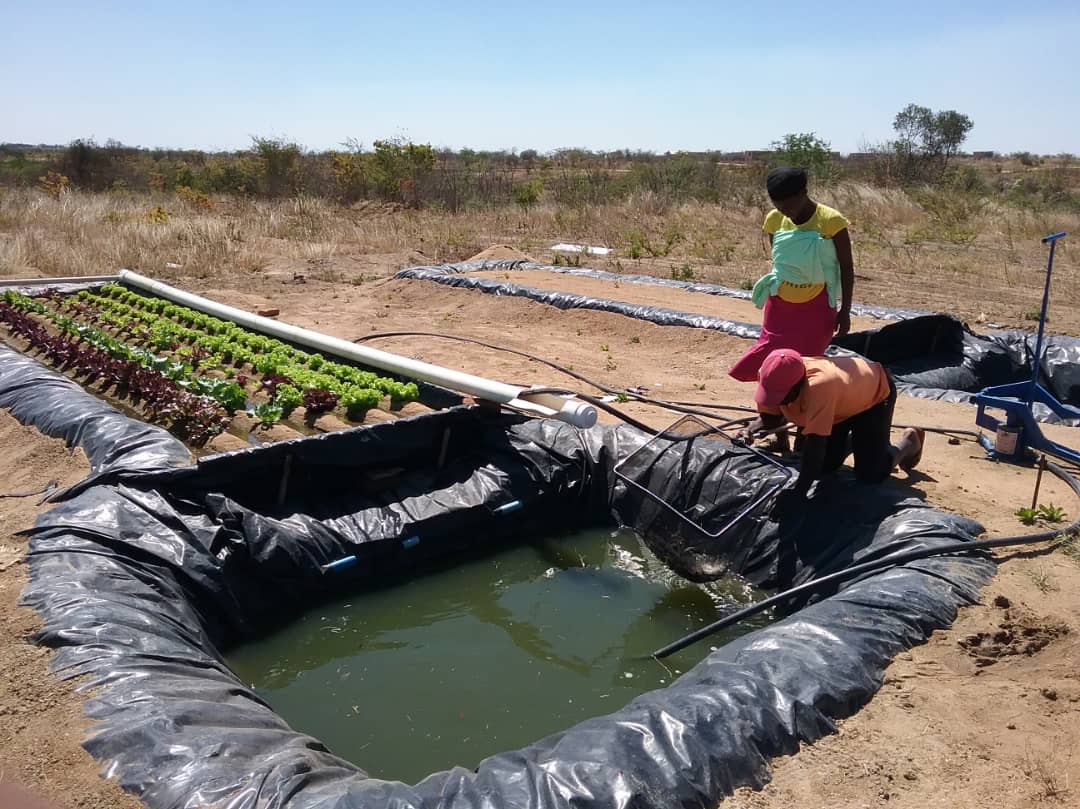
Beyond the Soil: Embracing Circularity with Soilless Farming and Integrated Fish-Vegetable Systems For millennia, agriculture has been inextricably linked to soil – the dark, yielding earth considered the foundation of our food systems. But a new paradigm is emerging, one that challenges this ancient reliance and unlocks a future of sustainable, highly efficient food production: soilless farming, particularly when interwoven with the elegant synergy of integrated fish and vegetable systems.

Regenerative Farming

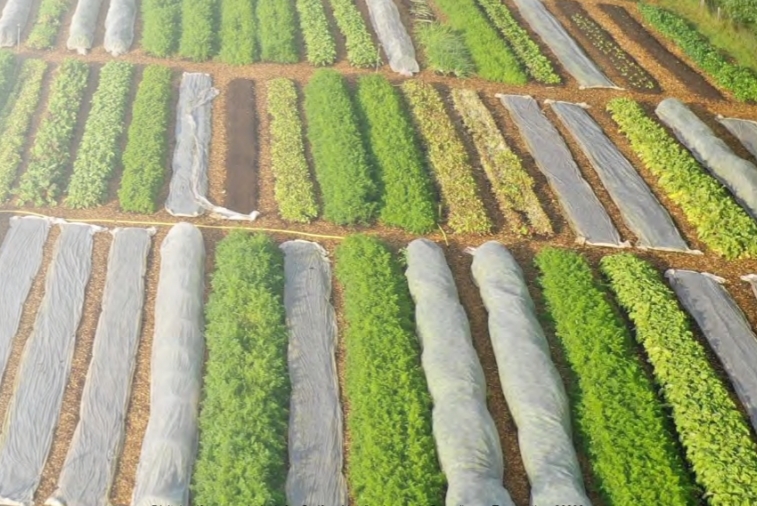
Restoring soil health isn’t simply about amending the earth with fertilizers; it’s a profound act of rebuilding a complex, living ecosystem. It demands a shift in perspective – viewing soil not as an inert medium for plant support, but as a vibrant community teeming with billions of organisms, from microscopic bacteria and fungi to earthworms and burrowing insects. This restoration begins with minimizing disturbance – embracing no-till practices that leave the intricate fungal networks, the ‘wood wide web’, intact, and protecting the soil surface with cover crops that shield it from erosion and feed the life within.

Environmental Justice

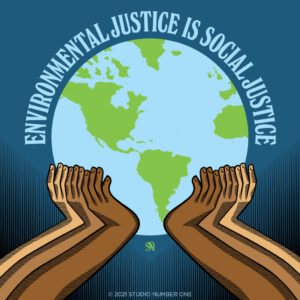
The fight for a just future demands we champion equitable access to the very foundations of life: natural resources. For too long, vulnerable communities – those historically marginalized and disproportionately burdened by environmental harms – have been systematically denied the benefits of clean air, potable water, fertile land, and thriving ecosystems. This isn’t simply an issue of fairness; it’s a matter of survival. We advocate for a world where resource management prioritizes the needs of those most impacted by scarcity and degradation, ensuring they have a voice in decisions that directly affect their well-being and livelihoods

Gender Equality

Mainstreaming Gender-Responsive Initiatives in Agriculture For too long, the fertile fields of agriculture have not yielded equal harvests for all. While women represent over half of the global agricultural workforce – toiling as farmers, laborers, entrepreneurs, and innovators – their contributions have been historically undervalued, their access to resources limited, and their voices often silenced in the halls of decision-making. Truly unlocking the potential of agriculture, and achieving global food security, demands a fundamental shift

Our partners

We build strong, collaborative alliances with a varied network of stakeholders – dedicated donors focused on sustainable change, influential non-governmental organizations embedded in communities, progressive government agencies pursuing scalable solutions, and creative private sector collaborators contributing expertise and resources.